The build phase is the most resource-intensive and highest-risk stage of fiber network deployment. In North America, underground installation costs a median of $16 per foot, versus about $6.50 per foot for aerial builds. This white paper shows how integrated network documentation and digital twin technology turn that high-stakes build phase into a streamlined, data-driven process and how operators combining these tools have cut fiber deployment costs by 15–25% while accelerating builds by up to 20%.
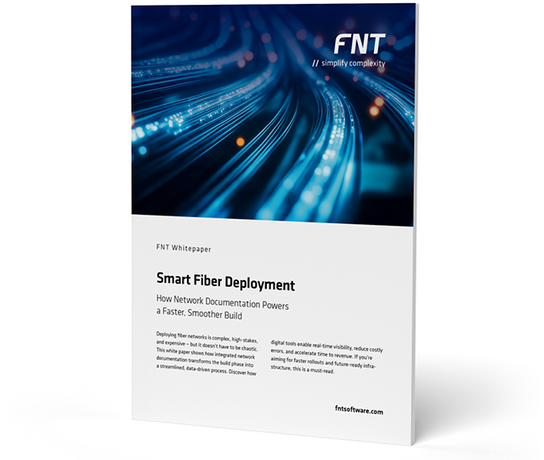
White paper: Smart Fiber Deployment
How Network Documentation Powers a Faster, Smoother Build
In this white paper you will learn:
- The key challenges that slow down fiber builds, from permitting delays to undocumented infrastructure
- How digital network documentation and as-built records prevent costly rework
- Real fiber deployment costs: $16/ft underground vs. $6.50/ft aerial, and how to control them
- Five must-have digital tools: network planning software, GIS asset inventory, asset digital twins, integration platforms, and build management tools
- How integrated systems accelerate deployment by up to 20% and cut costs by 15–25%
Whether you're planning your first rollout or scaling an existing network, this guide delivers insights you can use.
Download your copy now and start building smarter.
About the author

FAQs
How much does fiber deployment cost?
Underground fiber installation costs a median of about $16 per foot in North America; aerial deployment costs around $6.50 per foot, with costs rising in dense urban or rocky terrain.
How can operators reduce fiber deployment costs?
Combining network planning software, GIS mapping, digital twins, system integration, and build management tools can accelerate deployment by up to 20% and reduce build costs by 15–25%.
What is a digital twin in fiber network deployment?
A digital twin is a real-time virtual replica of the physical fiber network that links network status with construction tasks, so teams can spot bottlenecks and track progress as it happens.