Telecommunication Network Inventory Software

A consistent end-to-end view of all assets used in the production of telecommunication services enables delivery of high-quality services and the best possible customer experience. This asset and resource data is the crucial basis for network planning, management, and operation.

Network and service providers are continually investing in new infrastructure and adapting their networks to meet changing subscriber requirements. They need accurate information about the availability and lifecycle status of all network resources to do so. FNT Telecommunication Network Inventory documents and manages all technologies used in their networks. Whether transport or access network, wired or wireless medium, legacy or next generation technology – FNT supports them all.  

Advantages of the FNT´s Telecommunication Network Inventory Software

Gain transparency of the complete network resource base

All types of wireline and wireless network technologies for backbone, access, mobile and radio/TV broadcast networks are supported and integrated across all inventory levels, from physical network to end-to-end customer services. Hybrid network services, which consist of physical (PNF) and virtual (VNF) network functions, are also supported and documented with the highest level of detail. The result is a comprehensive view and seamless integration of all present and future technologies.

Optimize daily operations

A central repository with complete, up-to-date data on all network resources and service data provides all relevant information for fulfillment and assurance processes, from the physical and logical networks to the services running over them. An extensive integration framework and standard interfaces enable vital network inventory information exchange with existing BSS/OSS- and other third-party systems. Processes that rely on this data run more efficiently and yield better outcomes.

Reduce operating costs and incident processing times

FNT’s layered data model simplifies the integration of all required data and facilitates process automation. This improves both service quality and response times in the event of an incident, for example immediate creation of impact reports in case of infrastructure outage or planned maintenance.

Optimize planning and change management

Plan network expansions and rollouts based on accurate actual documentation to reduce error and need for costly rework and to maximize capacity and resource utilization. Automatically create work orders and distribute them to field force teams for execution of planned tasks or to service orchestrators for zero-touch service provisioning.

Highlights of FNT´s Telecommunication Network Inventory Software

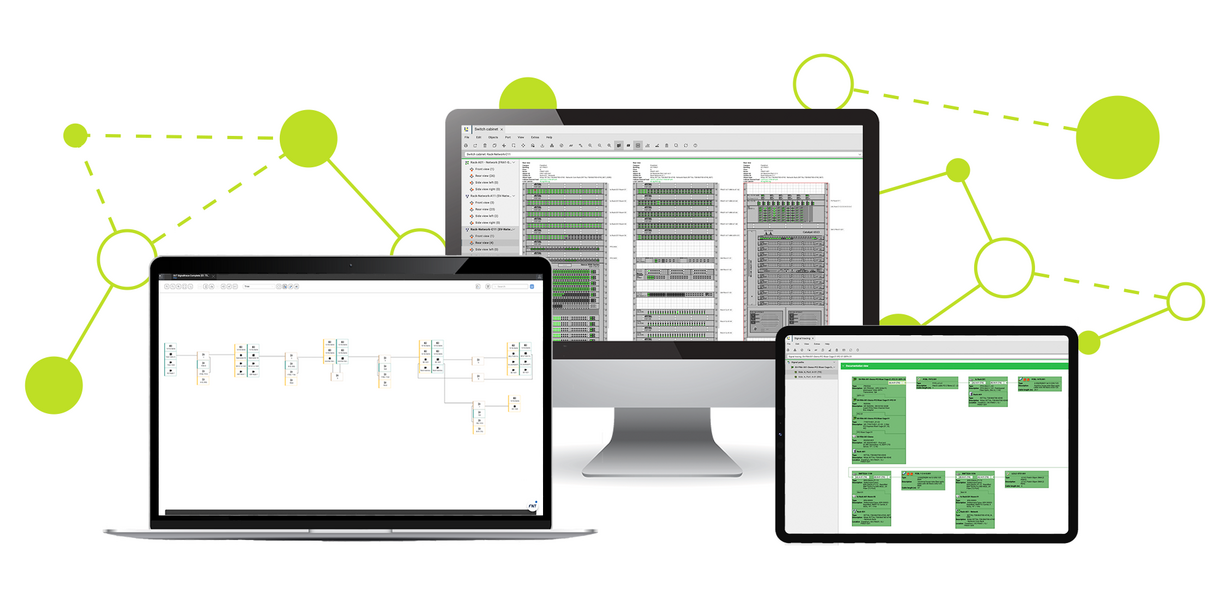
The FNT Telecommunication Network Inventory software is used to plan, document, and manage network resources in hybrid telecom environments. It is part of the FNT Command Platform software suite that focuses on the network, presenting a centralized and organized view of all telecom network assets and resources. Since today’s telecom environment is hybrid, this includes not only the network resources, but datacenter infrastructure and IT / cloud resources as well.  

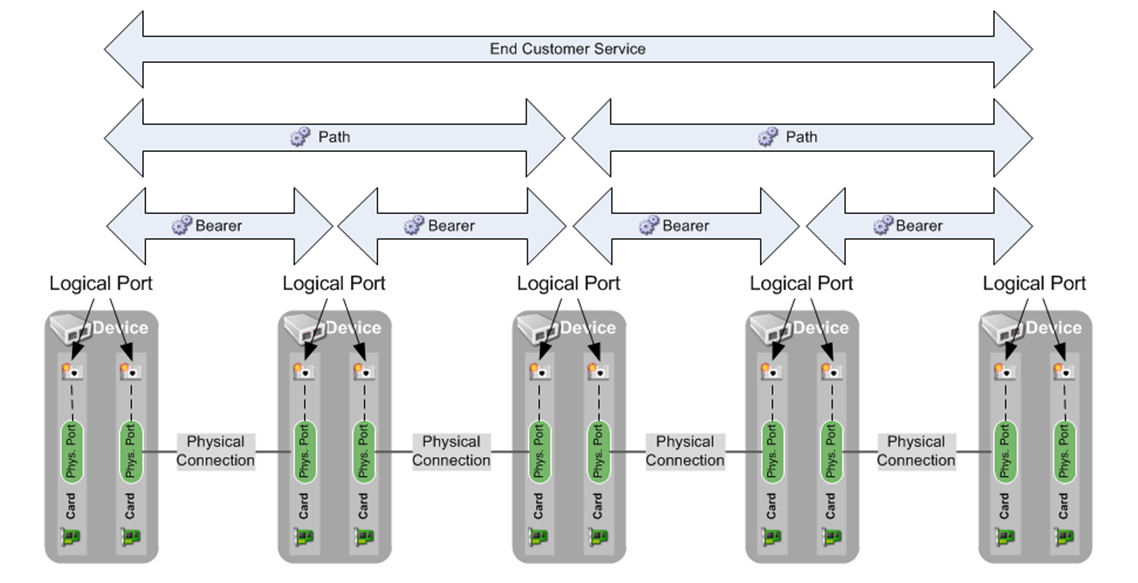
This single source of truth database enables end-to-end querying of relationships between services, their underlying physical and logical network resources, associated applications, customers, and other assigned information. It provides transparent and clearly structured documentation, the ability to manage connections and services throughout the entire network, and an integrated data model for seamless navigation between layers. This makes it easy to identify all services and customers affected by any changes or issues, anywhere in the network. 
Site Management

Manage physical locations and mobile RAN sites in a hierarchical system within a geographical structure. Group physical locations logically, track logical sites, nominal search areas, site candidates and preferred site candidates to facilitate geographically distributed network rollouts.

Physical Resource Management

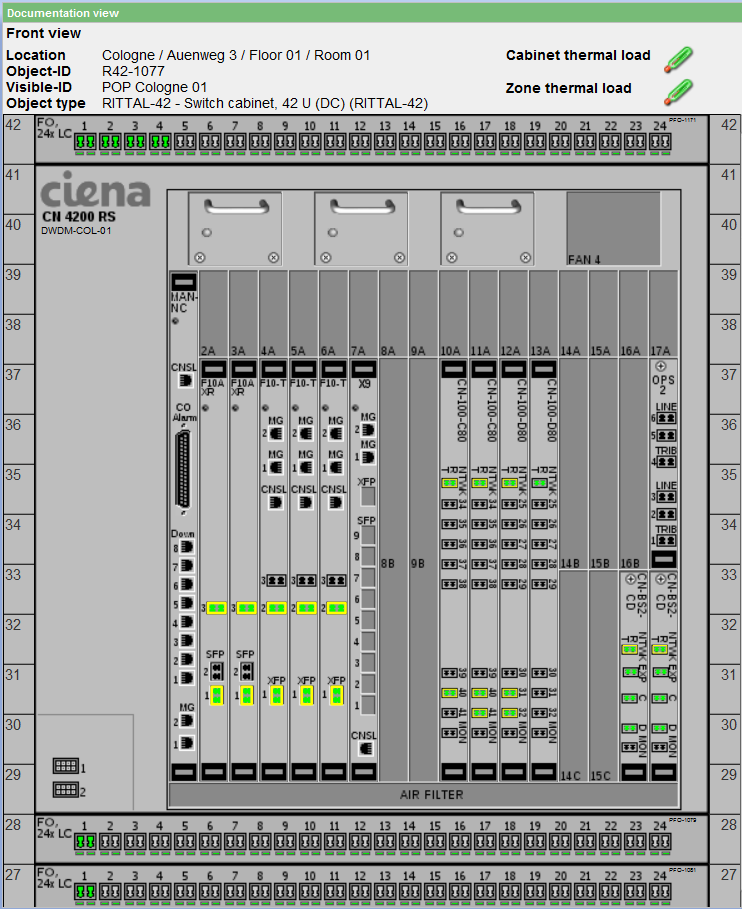
Associate network devices with locations or sites, facilitated by an integrated component library of over 75,000 device templates with all relevant technical data. Manage active devices, passive components, and combine multiple devices to create single logical groups that represent more complex pieces of hardware.

Asset Lifecycle Management

Manage physical devices or intangible components such as virtual machines and software installations throughout their entire lifecycle, assisted by features such as contract management, planning functionality, and work order management.

Logical Network Inventory

Hierarchical templates are available for modelling different network layers. They are flexible and easy to extend, making the solution future-proof for any wired and wireless network technology.

Cross Media Auto-routing

Considers both passive network resources and active transport technologies to route physical and logical connections automatically through the entire network. Accounts for routing parameters and restrictions that affect the path and ensures the validity of connections with system-based plausibility checks.

Resource Planning and Assignment

Supports new resources planning, reservation, and modification on physical and logical inventory levels.

Network Transformation Planning

Provides the detailed information required for upgrading networks and introducing new services and products. Includes information on configuration, topology, capacities, and nodes, the relationships between network resources on different layers, and a range of related items like contracts and SLAs.

Single Source of Truth Database

The integrated data model delivers transparency throughout the entire service chain by documenting data, relationships and dependencies across all technologies and layers and permitting seamless navigation between them. This transparent documentation is clearly structured and presents all information relating to the network for end-to-end querying of relationships between services, their underlying physical, logical and virtual network resources, associated applications, customers, and other assigned information.

Integration and Network Reconciliation

FNT IntegrationCenter is FNT’s native integration framework. It provides REST API exposure, graphical ETL tool, adapters to NMS/EMS and network synchronization, and notification service for event-driven information exchange. FNT has extensive experience in building integrations with common network management suites on the market.

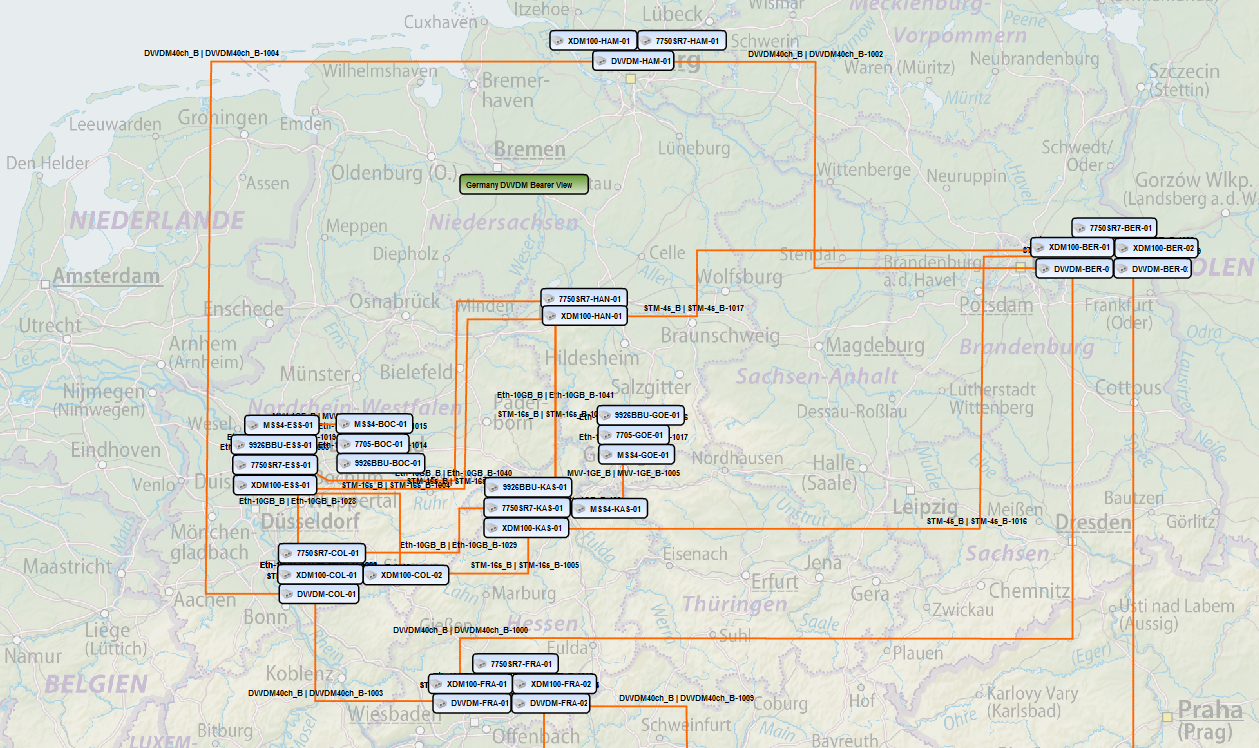
Reporting, Dashboarding, and Network Visualization

A flexible reporting engine works with database metaschema to provide many options for generating reports and supports integrating external reporting applications and dashboard solutions.

Brochure Telecommunication Network Inventory

Provision of high-quality services with optimized management of network resources.

Telecommunication Resource Inventory

Would you like to experience the FNT solution for Telecommunication Network Inventory live?

.

FAQ: Telecommunication Network Inventory

What is a Telecommunication Network Inventory?

A Telecommunication Network Inventory is a comprehensive database of information about the resources and assets within a telecommunication network. This inventory includes details about network components, equipment, infrastructure, and other resources that are essential for the functioning of telecommunication services, and is crucial for effective network management, planning, and optimization.

Why is Telecommunication Network Inventory important?

It provides a centralized and organized view of network assets and resources. This is necessary to keep track of assets, manage resources efficiently, plan for upgrades, and troubleshoot network issues. 

Who needs a Telecommunication Network Inventory?

Anyone who is responsible for the planning, maintenance, and operation of telecommunication networks. The need is not limited to telecommunication service providers. Organizations across many sectors require this type of solution. Large enterprises use it to manage their internal communication networks, especially those in the finance, healthcare, and manufacturing sectors. Data centers and internet service providers (ISPs), organizations responsible for public safety, emergency services, and disaster response, and electric utilities are other notable users of a Telecommunication Network Inventory. 

Further Downloads

Would you like to know more about Telecommunication Network Inventory? Then you might be interested in the following:


Whitepaper
How to Get a Great Return from Your Investment in a New Network Inventory Solution
Learn more
Tips on how to make a compelling business case The necessity of network inventory management fordriving operational efficiency and profitability for telecommunication operators is widely accepted, but thereis resistance to its adoption. Reasons range from costto implementation difficulties to unwanted disruption.These perceived risks are overwhelmingly outweighed bythe benefits to be gained. This paper explains in detail the returns you can expect to realize on your investment in anetwork inventory system and lays out how to enumerate these returns and make a compelling business case.
Whitepaper
Optimized Network Inventory
Learn more
How to transform network asset and resource management Given the strategic importance of network inventory, it gets surprisingly little attention. How service providers manage their network assets and resources matters, as this will influence the performance of the entire network. This white paper explores in detail what a modern inventory solution looks like and the tangible business benefits delivered from using one.
Whitepaper
The Power of Network Inventory Solutions
Learn more
A Guide for Service Providers and Network Operators Dynamic inventory management solutions make it possible to efficiently operate the network from asset management to service delivery, assurance, and planning. This white paper discusses the important role network inventory plays in managing today’s complex network infrastructure, the biggest challenges service providers face in keeping track of network components, and how a modern network inventory solution addresses these needs.
Whitepaper
Best Practices in Telecom Infrastructure Management
Learn more
The telecommunications industry is being disrupted by new technologies and customer demands, requiring innovative network management. Successful service providers excel in managing their hybrid infrastructures of physical, logical, and virtual resources. This white paper outlines how six leading providers improved their network management and the business outcomes achieved.
Whitepaper
Guide to Inventory Management System Replacement
Learn more
A telecommunication providers’ guide to changing inventory management solutions without impacting business. This white paper details how to change inventory management solutions in such a way that prevents disruption and keeps all processes that rely on inventory data operational.
Whitepaper
Bridging the Sustainability Gap
Learn more
Discover how mobile network and infrastructure providers can meet sustainability mandates and reduce energy costs by gaining visibility into their carbon footprint. This whitepaper explores regulatory requirements and shows how integrated network and infrastructure management software can help telecom companies achieve their environmental goals.
Partner Solution Paper
End-to-End Network Automation
Learn more
Communication service providers (CSPs) often struggle with inefficiencies in network automation due to the goal of achieving complete inventory accuracy before implementation. An incremental approach developed with Inmanta enables CSPs to realize automation benefits within six months, rather than the typical 36 to 48 months.
Partner Solution Paper
Knowledge is Power: Streamlining Network Design and Enhancing Visibility
Learn more
This study explores how integrating FNT Command with PacketFront’s BECS® Network Orchestrator can automate network documentation and configuration, addressing the inefficiencies and errors caused by outdated practices in service provider and network operator environments.
Briefing Paper
Briefing Paper: Why Inventory is Critical to Network Autonomy
Learn more
This briefing paper shows why precise, up-to-date data is crucial for Level 4 autonomous networks and why a reliable network inventory is the best foundation for automation.
Partner Solution Paper
The Integrated Production Platform
Learn more
Discover how the integrated production platform from FNT and alvatross helps companies compete in the dynamic fiber market with innovative OSS and infrastructure solutions.
Whitepaper
Lessons from the Field: Case Studies that Showcase Top Telecom Infrastructure Practices
Learn more
The telecom infrastructure is critical to maintaining efficient and reliable services. Dive into the real-life stories of how four industry leaders faced the complexities of modern infrastructure management head-on. By examining these examples, we shine a light on the best practices that drive operational excellence and enhanced service delivery.
Whitepaper
Achieving Telecom Agility
Whitepaper: Achieving Telecom Agility
Learn more
Read our white paper to find out how integrated solutions for network inventory, service catalog and orchestration can overcome the biggest challenges in telecommunications, speed up processes and reduce errors.
Partner Solution Paper
From Silos to Synergy: Linking Inventory Data with Field Service Management
Learn more
Discover how FNT and Praxedo eliminate data silos by linking inventory management with field service operations. This solution paper shows how seamless integration boosts efficiency, improves service delivery, and enables smarter, real-time decision-making.
Partner Solution Paper
The Orchestration Blueprint for Scalable Private Networks
Learn more
Rising demand for tailored connectivity, the complexity of multi-vendor environments, and the need for faster service delivery are key challenges for CSPs deploying Mobile Private Networks. Automation, placement optimization, and accurate inventory are critical to overcoming these hurdles and ensuring efficiency, scalability, and cost-effectiveness. Read our partner solution paper to learn how Inmanta, Arctos Labs, and FNT together enable CSPs to master MPN orchestration with ease.
Whitepaper
Unlocking Operational Excellence: Five Ways to Redefine Network Infrastructure Management
Learn more
This white paper explores how unified management of IT and network infrastructures boosts efficiency, ensures consistent service quality, and reduces operational complexity. Learn how integrated processes lay the foundation for operational excellence and sustainable growth.
Expert Paper
Guide to Software-Assisted Mobile Site Management, Pt.2
Learn more
Brochure
FNT Telco Active Inventory
Learn more
Disruption within the telecommunications industry is impacting all areas of business. How an operator responds to these challenges will determine the success of their digital transformation and ability to remain competitive in a hyper-connected digital world.
Brochure
FNT Mobile RAN Management
Learn more
Mobile is expected to play a major role in industry digitalization. The rollout of new 5G networks is central to digital transformation efforts and will continue to gain momentum. Managing mobile networks and their new technological characteristics is key to enabling new digital services and tapping into new revenue streams.
Brochure
Telecommunication Resource Inventory
Learn more
In a dynamic market environment with increasing network complexity and virtualization, network operators and service providers must optimize time-to-market, achieve cost efficiency and provide first-class services, whereby a modern OSS/BSS architecture with integrated management of network resources and services as well as high data quality is crucial.
Brochure
FNT Cable and Outside Plant Management
Learn more
In order to cope with the rapid increase in data volumes and data traffic in the networks, telecommunications providers are increasingly relying on fiber optic lines and new technologies. As a result, networks are becoming increasingly complex. Millions of physical assets, logical resources and connections need to be managed. This is a complex but important task. After all, these networks form the basis for the provision of business-critical services.
Subscribe to our newsletter

Enter your email address to receive regular updates about FNT and our products:


Justin Menoche
FNT Software Americas
Contact: Justin Menoche

Leo Koh
FNT Software APAC
Contact: Leo Koh

Claudio David
FNT Software Europe
Contact: Claudio David