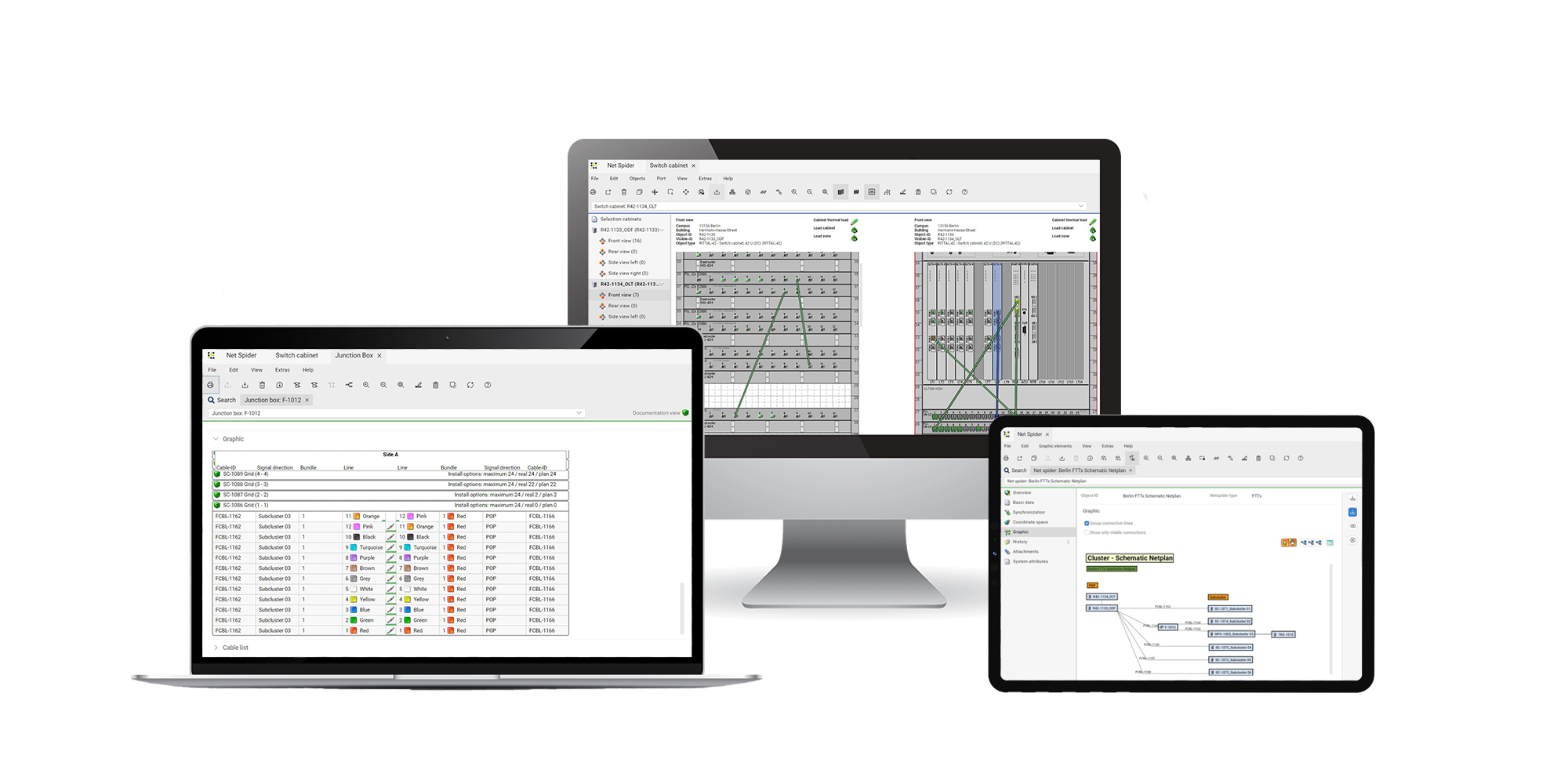
Manage Campus Infrastructure with Greater Visibility and Control
Universities operate like small cities, running data centers, campus-wide cable networks, and diverse facilities across research, healthcare, and administration. Yet many institutions still rely on spreadsheets and disconnected tools, rather than a centralized and continuously maintained digital twin, limiting visibility, slowing changes, increasing risk, and making efficient resource planning more difficult.
FNT Software helps universities gain control with a unified platform to document, manage, and visualize:

With FNT Command, documentation becomes more than a requirement, it becomes real value for day-to-day IT operations.
Turn Campus Infrastructure Complexity into Operational Clarity
Managing infrastructure across multiple campuses and stakeholders is increasingly challenging. When infrastructure data is fragmented or outdated, operational risk increases, changes become slower and more error-prone, and modernization efforts lose momentum.
With FNT’s centralized infrastructure management platform, universities gain:
- A single source of truth for physical, logical, and virtual infrastructure
- Standardized IT documentation across departments and campuses
- End-to-end transparency across network, data center, and campus connectivity
- Faster, and safer infrastructure changes enabled by integrated workflows and work order management
- Improved resilience through dependency and impact analysis
- Reduced operational risk through accurate asset lifecycle tracking
- A reliable data foundation for modernization, compliance, and sustainability initiatives

How FNT Software Supports Higher Education
Provide a consistent view of IT, network, cabling, and data center
environments.
Provide a reliable digital twin of the infrastructure to support day-to-day operations and long-term planning.
Track assets from planning and deployment through to operation and decommissioning.
Document connections end to end to improve traceability and support faster troubleshooting.
Understand how infrastructure components and services are linked to assess risks and plan changes more effectively.
Support controlled infrastructure changes by guiding teams through standardized processes and tasks.
Gain visibility into space, power, cooling, and connectivity within the data center environment.
Connect FNT Command with platforms such as Esri ArcGIS or ServiceNow to align infrastructure data with existing IT processes.
Trusted by Leading Colleges/Universities for Infrastructure Transparency and Control

Join the growing number of institutions already
optimizing their IT operations with FNT.
Customer Success Stories
Learn how universities and research institutions use FNT Software to gain visibility, improve operational efficiency, and manage complex campus IT and network environments with confidence.
- Heidelberg University uses FNT Command to build a centralized documentation foundation for efficient, reliable campus IT operations.
- DESY uses FNT Command to gain transparency and control across complex cable infrastructure for more efficient maintenance and troubleshooting.


The Right Solution for Campus IT and Network Infrastructure Management
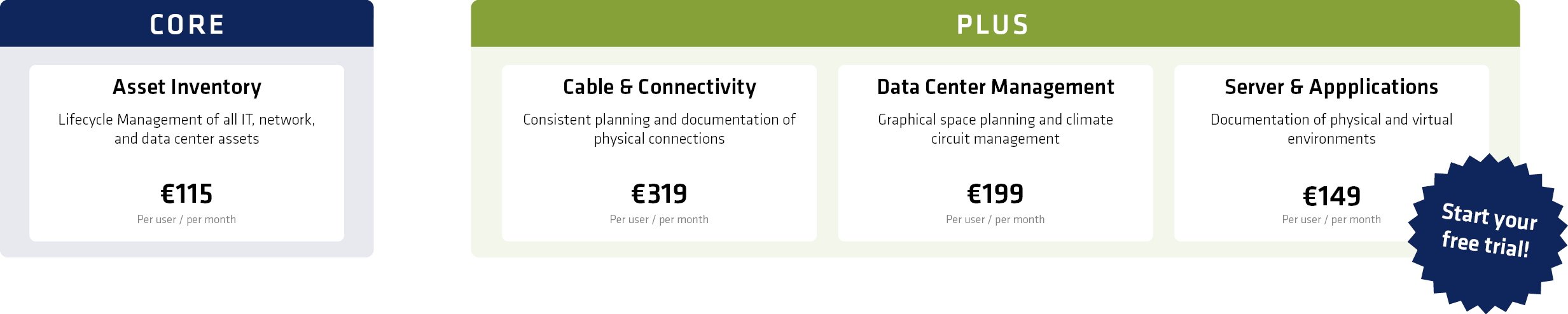
If you want to document, plan and efficiently manage your campus IT infrastructure holistically, our Asset Inventory and PLUS-Model-Packages are the right choice.
Use Cases
Overcome Data Silos & Limited Transparency
At many universities, individual departments document their infrastructure, but often in spreadsheets like Excel or in isolated databases. The result:
- No single source of truth
- Limited visibility across departments and infrastructure domains
- Reactive troubleshooting instead of proactive planning
- Difficulty identifying and prioritizing high-ROI investments
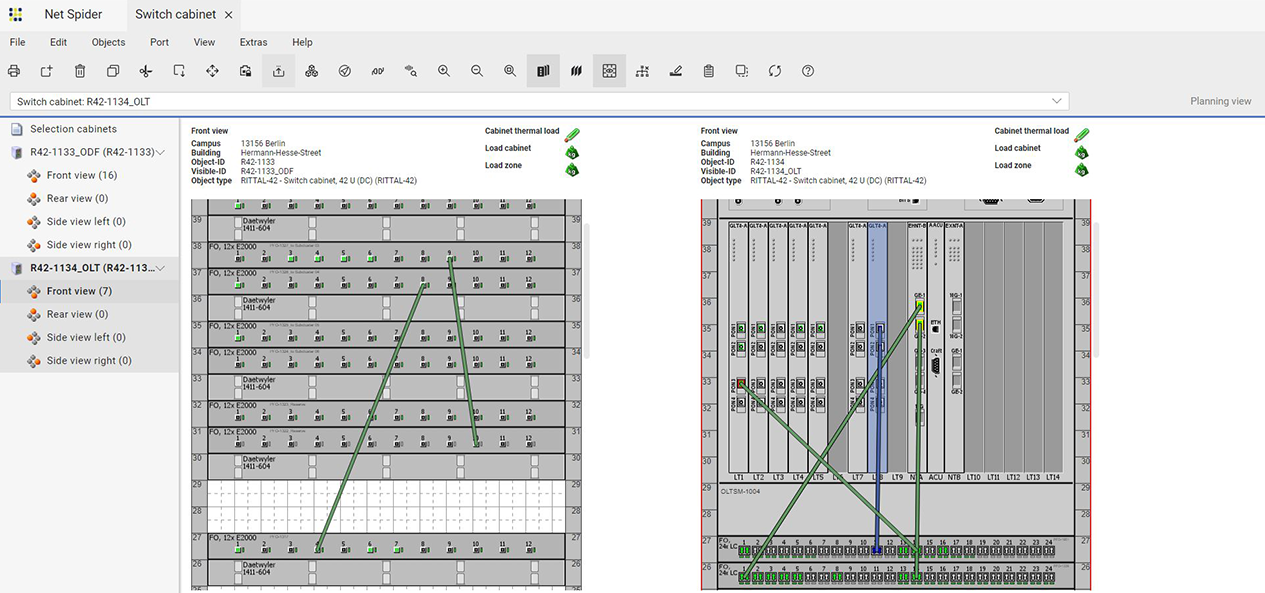
Structured infrastructure documentation solves these issues by providing full visibility across the distributed campus environment and the foundation for informed, data-driven governance.
Example: Before upgrading a core switch in a faculty building, IT teams can instantly trace all dependent services and cable connections. This makes it possible to plan changes with confidence, minimize risk, and avoid unintended service disruptions.
Safely Manage Campus Infrastructure Changes
Campus infrastructure is constantly evolving. New buildings are connected, labs are expanded, and network capacity continues to grow. Without reliable documentation, these changes can quickly lead to issues such as:
- Service disruptions
- Misconfigured connections
- Unexpected dependencies between systems
- High manual effort in planning and implementation
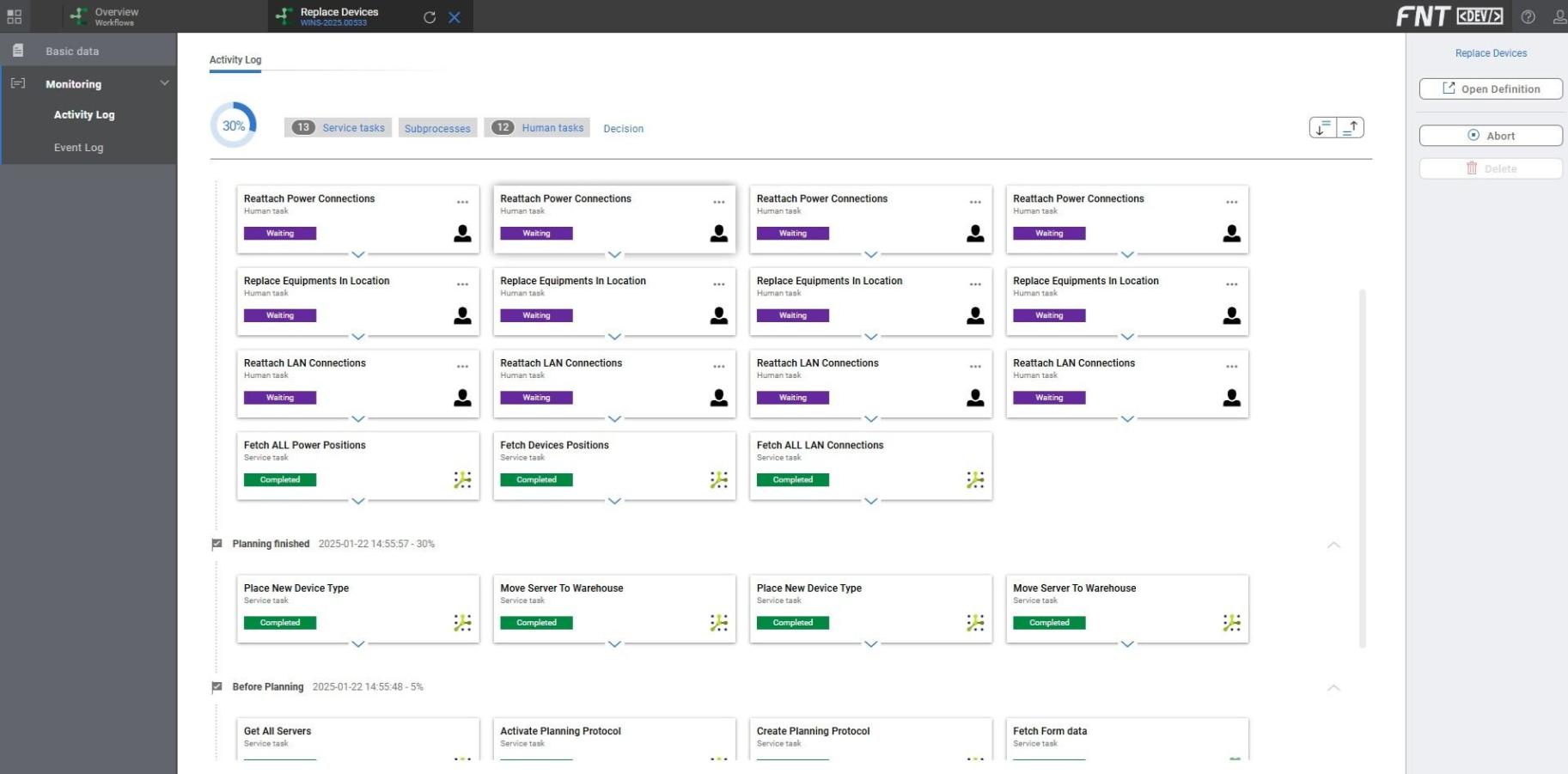
FNT Software helps universities plan infrastructure changes in a structured way and implement them with confidence. Dependencies are clearly visualized, changes can be managed in a targeted manner, and work orders can be generated directly from the planning process.
Example: When expanding a research building, network teams can check available fiber capacity, identify affected services, and plan changes without disrupting ongoing operations.
Optimize Infrastructure Investments
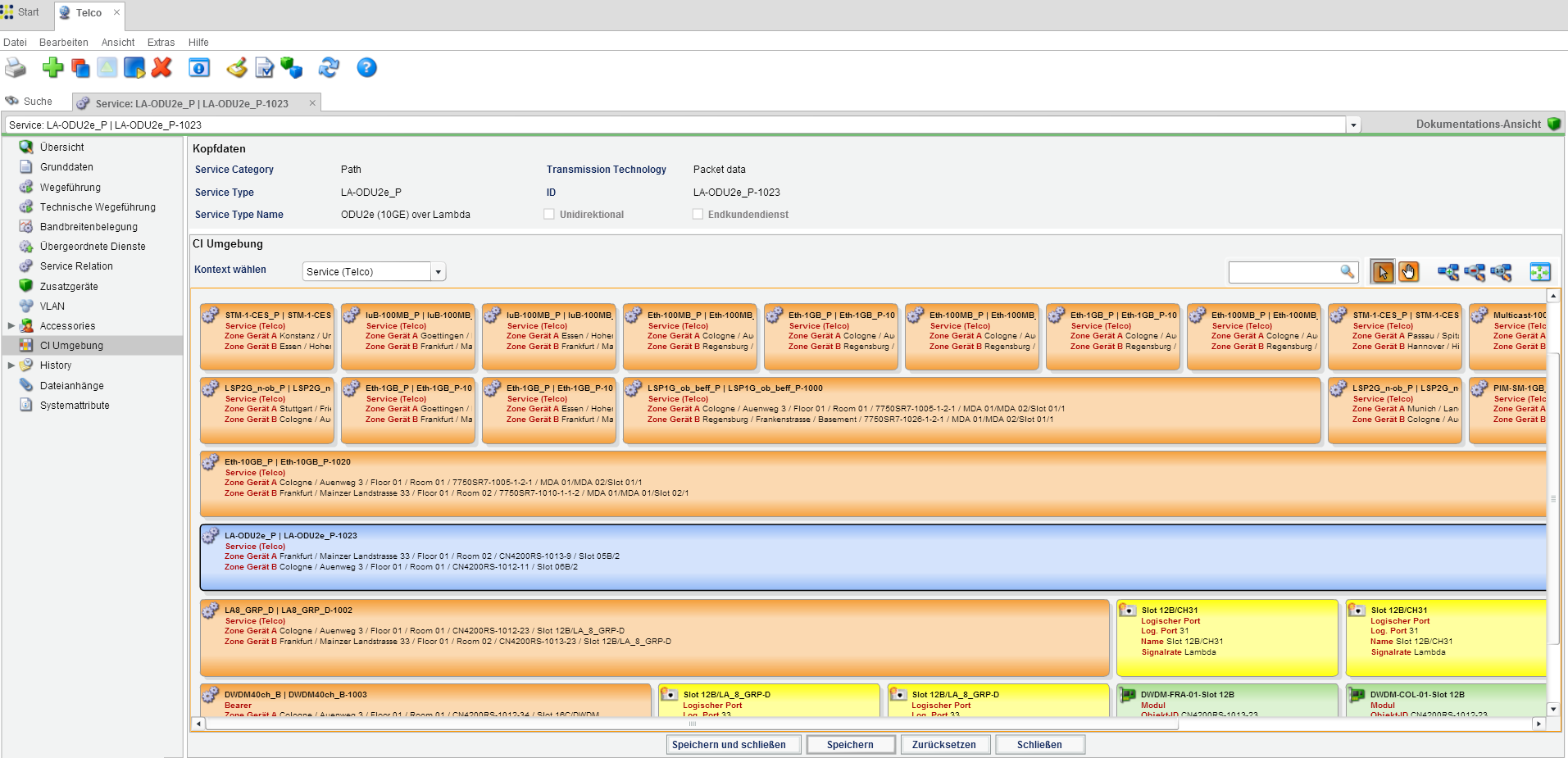
Higher education institutions operate under strict budget constraints while facing growing demands for digital services. Without reliable infrastructure data, they struggle to:
- Identify underutilized assets
- Plan capacity upgrades efficiently
- Prioritize infrastructure investments
FNT provides complete visibility into infrastructure assets, utilization, and dependencies, allowing universities to allocate resources strategically and maximize the value of existing infrastructure.
Example: Instead of installing new fiber routes between campus buildings, IT teams can identify available capacity in existing network paths and avoid unnecessary investments.
Improve Incident Readiness and Response Planning
Universities operate complex, distributed infrastructures where incidents can affect multiple systems or services at once. When failures occur, IT teams often struggle to:
- Identify affected systems and services quickly
- Understand dependencies during incidents
- Assess impact across campus environments
- Coordinate response actions efficiently
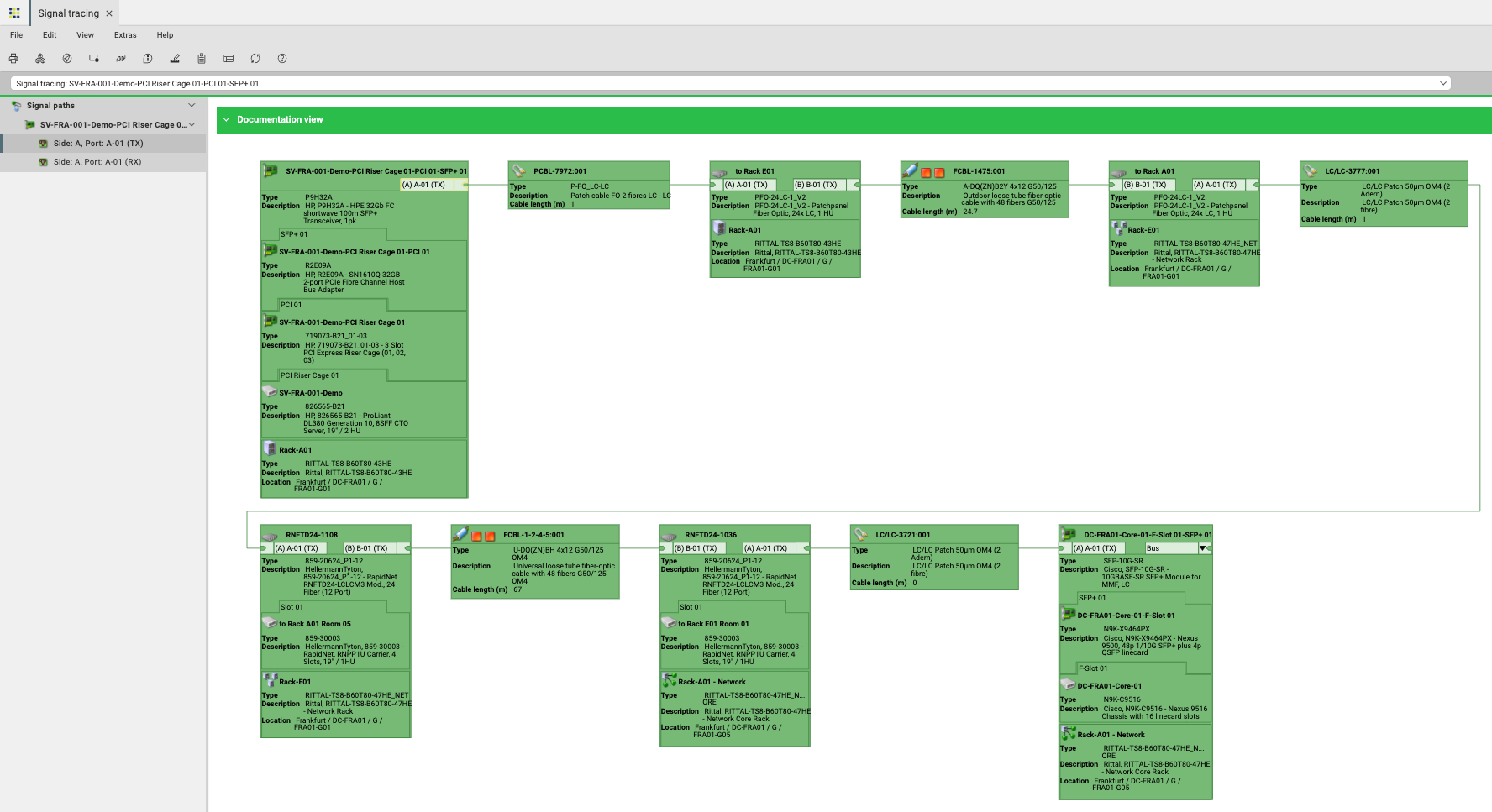
FNT provides the transparency needed to identify affected components faster, assess potential impact, and plan response measures more confidently during operational or security incidents.
Example: When a network device must be replaced as a precautionary measure, IT teams can quickly identify dependent systems, services, and connections, assess the impact, and coordinate the replacement with minimal disruption.
Modernize Aging Infrastructure
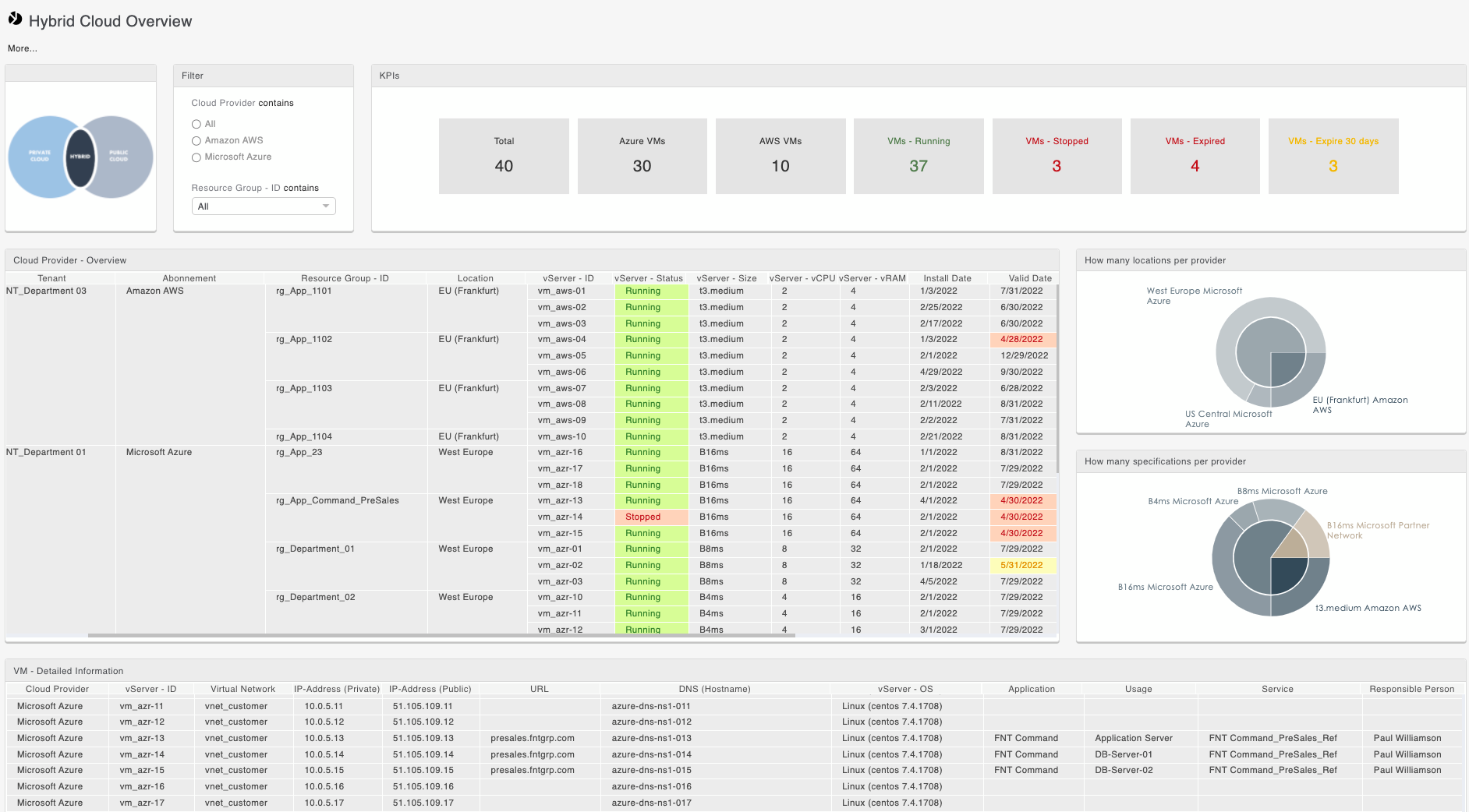
Many universities operate infrastructure that has evolved over decades. Aging servers, network equipment, legacy data centers, and growing maintenance backlogs make it harder to support modern digital services. To address these challenges, institutions are investing in:
- Hybrid cloud strategies and workload migrations
- Modernization of campus networks and fiber backbones
- Consolidation and modernization of campus data centers
Modernization projects require a complete view of infrastructure. FNT Software provides a digital twin of campus infrastructure, helping universities understand assets, dependencies, and capacities before planning transformations.
Example: When migrating workloads to the cloud, IT teams can identify affected systems and network paths in advance. This reduces migration risks and ensures a smooth transition.

Ready to Boost Your Campus IT?
Suitable Products:
-
FNT CommandKeep track of your valuable assets
-
FNT AnalyticsBusiness Intelligence component for smart evaluations and analyses
-
FNT GeoMapsImprove network management with location-based visualization and analysis of resource data.
-
FNT ProcessCenterMore efficient management of infrastructure deployment and change processes


